Don't Do Complex Folder Hierarchies - This Is Why


Don't do Complex Folder Hierarchies - This is why

To explore this issue, we will discuss the development of digital file management, the psychology behind organizing, advancements in search technology, and the shift towards more flexible information management systems.
1. Introduction
In the early days of computers, digital storage space was limited, and the tools for searching and retrieving files were primitive. This required a complex, highly organized directory system to manage files efficiently.
The development of technology, search capabilities, tagging, cloud storage, and changes in the nature of work have contributed to the shift from complex directory structures to more flexible and intuitive file management systems.
2. Why is there a folder system?

Initially, due to the limited capabilities of the first computer systems, digital file management mimicked the way physical files were stored, heavily relying on hierarchical structures.
The purpose of folders? To make searching easier and to manage information by categories.
3. What's the problem with the folder structure?

Over time, the surge in storage capacity has led to individuals having to handle more information. If we continue to use traditional methods, we would need more complex directory structures to organize all this information.
This could increase cognitive load, making it more difficult to quickly find files. Each additional layer in the directory structure represents a set of decisions to be made - not just when storing new documents but also when retrieving them.
Searching for information has become a major nuisance: a waste of time and effort, which has sparked a significant problem that needs to be addressed.
Therefore, there is a demand for a simpler organizational system that can reduce mental strain, make file retrieval easier, lessen decision fatigue, and help users focus on their main tasks instead of struggling with file management.
4. Search for better solutions

Instead of spending hours organizing and categorizing files in a complex folder system, I have switched to using powerful search tools and tags to manage files. This not only saves me time but also reduces the complexity of data management.
As I learned about file management with the support of technology, I simplified my folder system. I only create large folders and do not need to create many small subfolders. This does not make searching more difficult because AI makes it easier to find information through natural language.
Specifically: Search technology has evolved significantly, from simple algorithms to intelligent systems capable of understanding the context and intent of the user. This makes maintaining a complex folder structure less necessary, as technology can help search and retrieve files more efficiently.
Users and organizations should leverage available tools and technologies to create more intuitive and flexible file management systems. This involves not only a change in how files are organized but also a shift in mindset towards reliable search and retrieval technologies.
Conclusion
Creating complex folder structures is no longer the optimal choice in today's digital age. With the development of storage and search technologies, a simpler, more flexible system can still be more effective and less stressful for users if they use truly powerful tools for information retrieval.
It is important to adapt to these advancements and leverage existing technology to optimize our file management process.
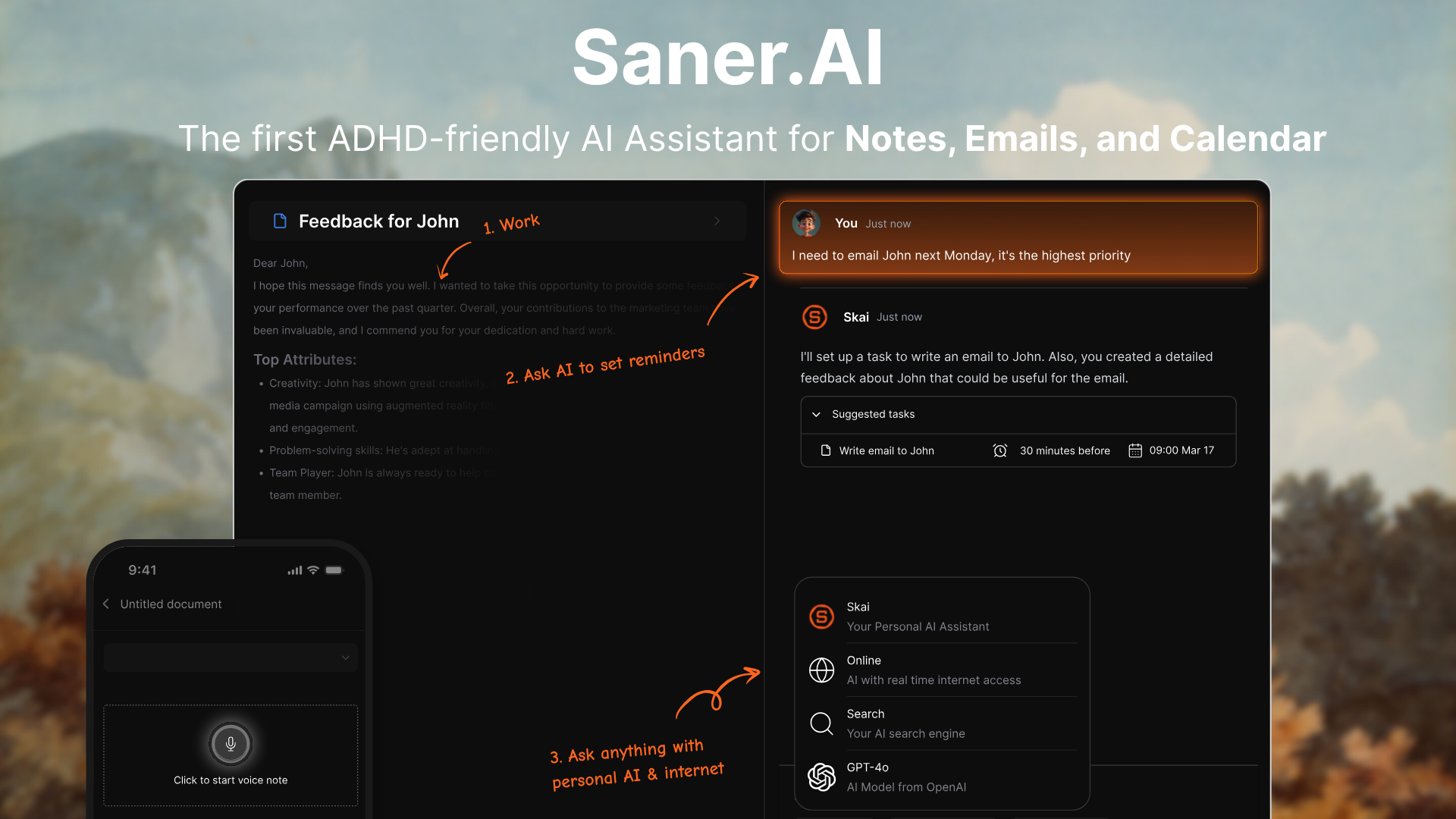
Stay on top of your work and life