What to do after getting diagnosed with ADHD? 5 Personal Insights


What to Do After Getting Diagnosed with ADHD? 5 Insights from Personal Experience
Getting diagnosed with Attention Deficit Hyperactivity Disorder (ADHD) can feel like a mixed bag of emotions. On one hand, there's relief in having an explanation for the challenges you've faced, perhaps for many years. On the other hand, there's often anxiety about what this means for your future.
I know because I've been there.
In this article, I'll share my journey and strategies that have helped me navigate life post-diagnosis, aiming to provide both support and practical advice for those newly diagnosed with ADHD.
I know that reading and following these steps is quite challenging with ADHD, but when we overcome it, ADHD is a gift.
Understanding ADHD

ADHD is a neurodevelopmental condition that affects how you focus, sit still, and control your impulses. It often manifests as difficulties with attention, excessive activity, impulsiveness, and emotional instability, which can impact school, work, and relationships.
Some with ADHD experience hyperfocus, a deep concentration on particularly interesting tasks, but this can also lead to challenges like neglecting other duties.
The causes of ADHD include a mix of genetic and environmental factors, but vary widely among individuals. It's important to know that ADHD is a recognized medical condition, not a personal flaw.
With the right support and strategies, many manage it successfully and lead fulfilling lives. Here's what I do with my journey after getting diagnosed with ADHD
Step 1: Educate Yourself

Understanding ADHD is your superpower! Learn the different types (inattentive, hyperactive-impulsive, and combined) and how they impact learning.
Diving into resources like YouTube channels focusing on ADHD and self-learning, websites with study tips specifically designed for ADHD, and connecting with supportive online communities are great starting points.
Remember, self-education is a journey, but it equips you with the tools to build effective learning strategies and thrive with ADHD. There will be bumps, but with knowledge and the right approach, you've absolutely got this!
Step 2: Seek Support
ADHD can feel lonely, but turns out, millions of adults are in the same boat. Reading about their experiences helped me understand my own struggles better. And guess what? Talking to others with ADHD was a game-changer. They get it!
Therapy was another big step.
Especially CBT, which helped me manage my ADHD symptoms in practical ways. Don't underestimate the power of joining a support group, either online or in person. Sharing stories and knowing you're not alone makes a huge difference.
Websites like CHADD can even help you find local groups. Remember, building a supportive crew empowers you to face ADHD with more confidence and clarity. You got this!
Step 3: Develop Skills

Learning to manage your time well can really make a difference. I started with advice from YouTube, which is full of experts sharing simple, ADHD-friendly tips.
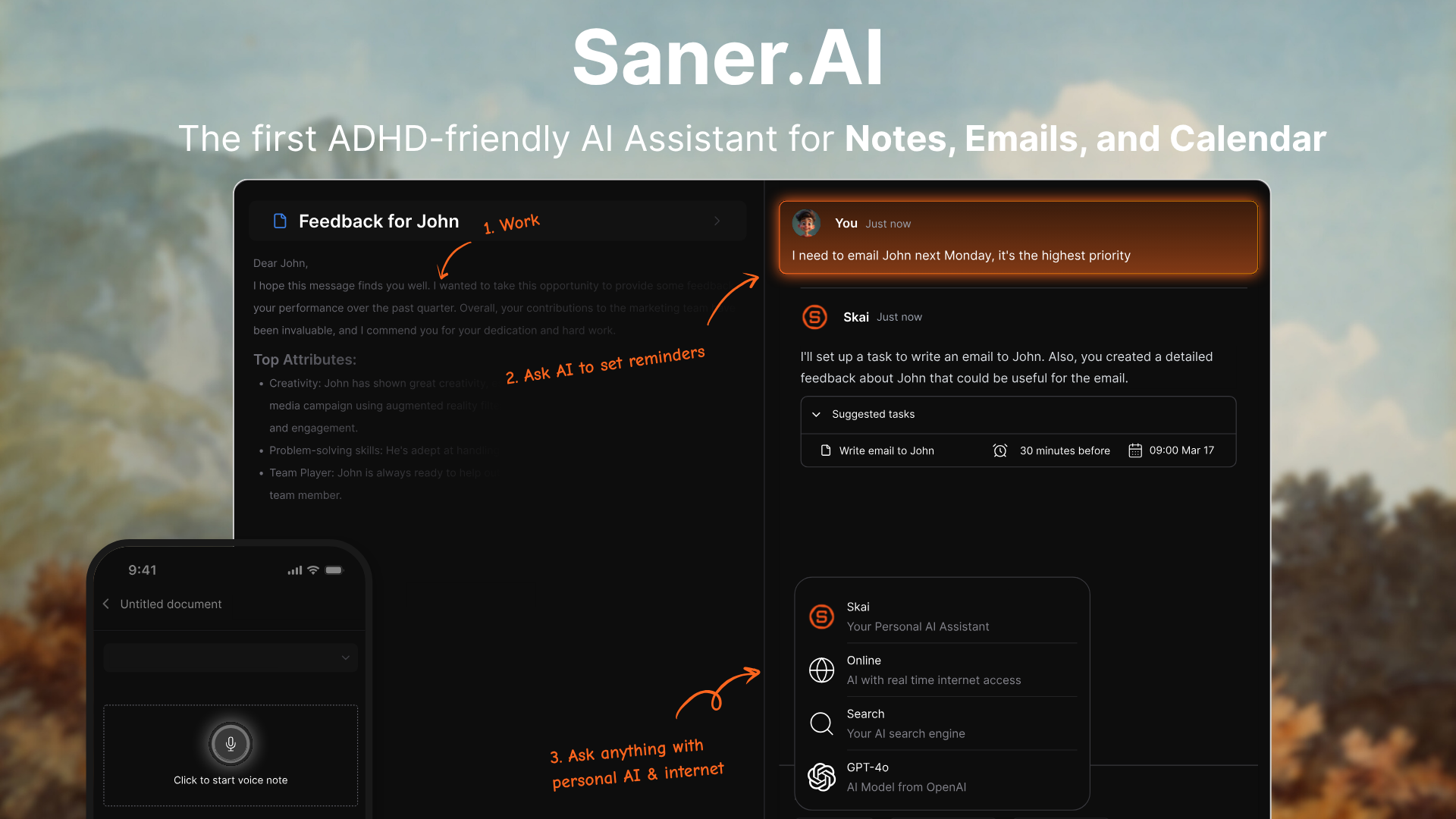
Here are the best ADHD apps to manage a day
Each skill you pick up helps you cope a bit better with ADHD. It’s all about taking small steps forward and acknowledging your progress along the way.
Step 4: Mental and Physical Health Care
Caring for your mental and physical health is key in managing ADHD.
Engage in regular exercise or jogging to boost mental clarity and emotional stability. Prioritize a balanced diet with omega-3s, proteins, and whole grains to support brain function.
Also, don’t underestimate the power of a good night’s sleep;. It’s essential for cognitive function and symptom management. Small, consistent steps in self-care can lead to significant improvements.
Step 5: Embrace Your Strengths

ADHD comes with its set of challenges, but it also brings unique strengths. Many with ADHD are known for their creativity, energy, and ability to think outside the box. I've learned to leverage these traits, particularly in creative projects and problem-solving tasks. Recognizing and using these strengths can lead to personal and professional successes.
Conclusion
Getting diagnosed with ADHD is not the end; it is a beginning in understanding your unique brain system. Remember, ADHD doesn't define you - it's part of who you are, and with the right strategies and support, you can thrive.
In sharing my journey and what I have learned, I hope to provide comfort and practical advice to those navigating this path.
You are not alone, and with each step, you will learn more about how to tap into your unique intellectual potential.
Stay on top of your work and life